
 Book Announcement
from the Author
On that morning in 1974, when I left Quang Tri Province, I could hear anti-aircraft fire in the distance. A U.S. bomber was violating the Cease Fire Agreement, but no one in our group paid any attention. I too, remained calm, sure that we were well-defended. My host, Bui Thi Me, the Vice Minister of Health of the Provisional Revolutionary Government of South Viet Nam held my hand as we walked to the jeep. She had lost her husband, two sons, a brother and her best friend in the War, but her eyes still sparkled with confidence and kindness. She must have noticed I was fighting back tears. “Arlene. Don’t be sad. We are part of the worldwide family of militant women. We will meet again—next time in Ho Chi Minh City, or Paris or even New York.”
From In The Worldwide Family of Militant Women

Welcome to the website
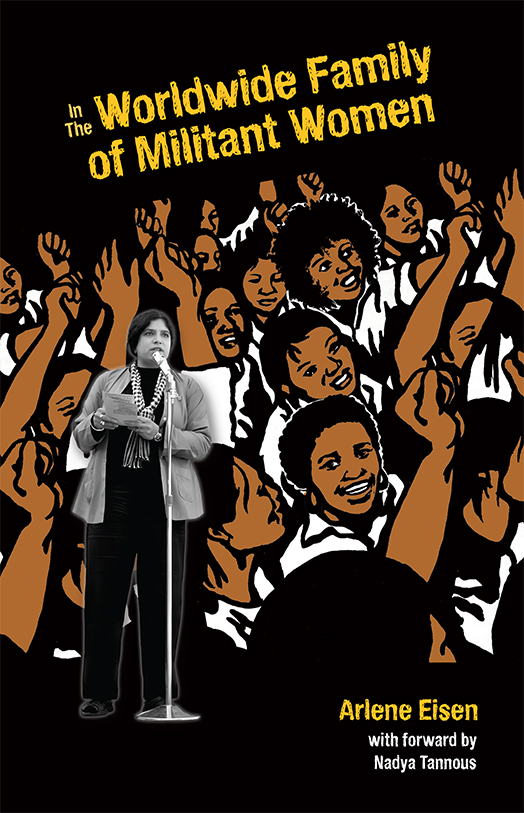
I especially want to share experiences with some of the millions of young people who, outraged by the impunity of the Empire, are impelled to challenge the same intolerable war machine that we confronted in the 1960s. For this reason, I am honored that Nadya Tannous, longtime activist in the Palestinian Youth Movement, agreed to write the Forward to the book.
The narrative begins in 1961 —when Freedom Riders risked their lives to defy Jim Crow; the year the US, brokered the assassination of the first President of independent Congo: Patrice Lumumba; when a Cuban militia repelled a CIA-organized invasion; when abortions throughout the U.S. were illegal and when most of the labor market and elite universities legally barred women. There were no mobile phones, no answering machines; no computers, not even electric typewriters; no internet and everyone’s pronouns were “he, his, him”.
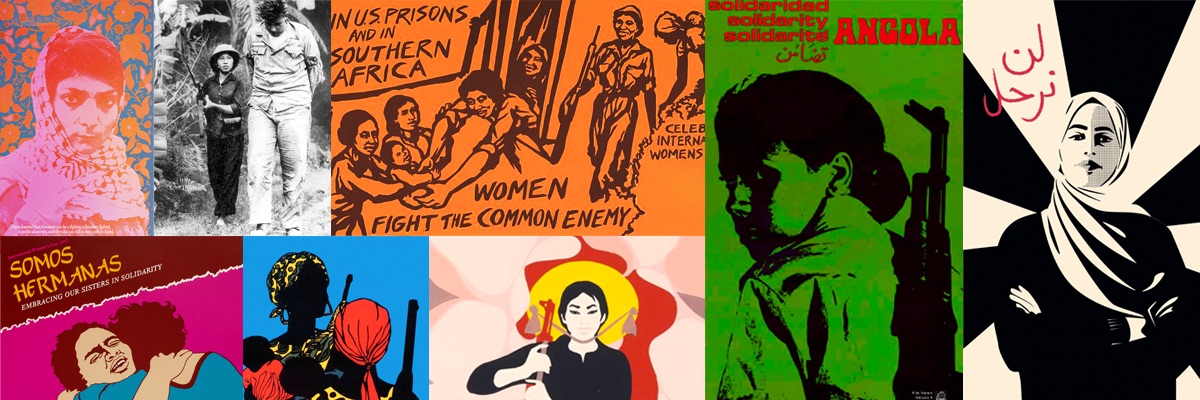
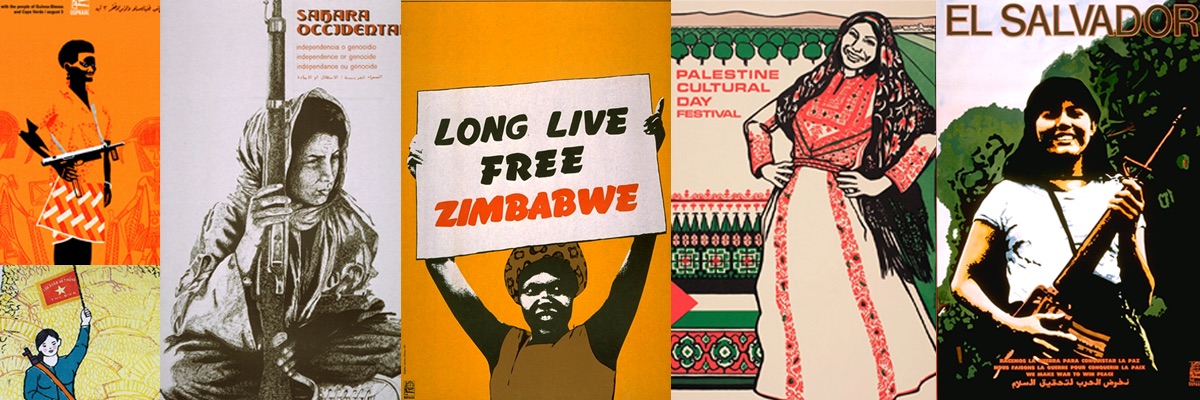
The story spans the next two decades—a pivotal time in US and world history, when the Black Liberation Movement joined with national liberation struggles around the world, especially in Viet Nam, to fight for independence and freedom against Empire. Our anti-imperialist women’s movement attempted to follow their lead. We embraced the slogan, “Their victory is our victory.”
The book opens to a scene many women may identify with: in a seedy hotel, making love for the first time, without pleasure, and hemorrhaging. In that scene, and all the scenes that follow: interviewing union organizers in the Peruvian Sierra; surviving as an inmate in a psychiatric hospital; presiding over an early meeting of SDS; meeting Malcolm X; attempting to block troop trains carrying US recruits to Viet Nam; following Ché Guevara’s escape route in Cuba’s Sierra Maestra; and in meetings with members of the “worldwide family of militant women” in Viet Nam and Paris, I encourage readers to discover, along with me, that we not only need an anti-imperialist women’s movement, we also have the potential to build and grow that movement.
A long line of brilliant Black women revolutionaries has lit a path for all women’s liberation. Vickie Garvin, Toni Cade Bambara, Kathleen Cleaver, Roberta Alexander, members of the Third World Women’s Alliance, Pat Parker and the Combahee River Collective directly shared their insights with me. This book also features the political wisdom that sisters and comrades from the Viet Nam Women’s Union and from survivors of Latin American dictatorships taught me. Last, I had the great joyful privilege of learning from Meridel LeSueur, the white woman communist, feminist, writer and veteran of nearly a century of working class struggles. Thanks to their teachings and my own experience, the dominant white women’s movement—that is the one only concerned with gaining equal status with white men within the white supremacist, patriarchal capitalist system—never attracted me.
I look forward to continuing a sisterly exchange of ideas and experiences with anyone interested in the past, present or future of a worldwide family of militant women.